
Saving Rare Animals Requires Protecting Small Ranges, Not Buying Novelties
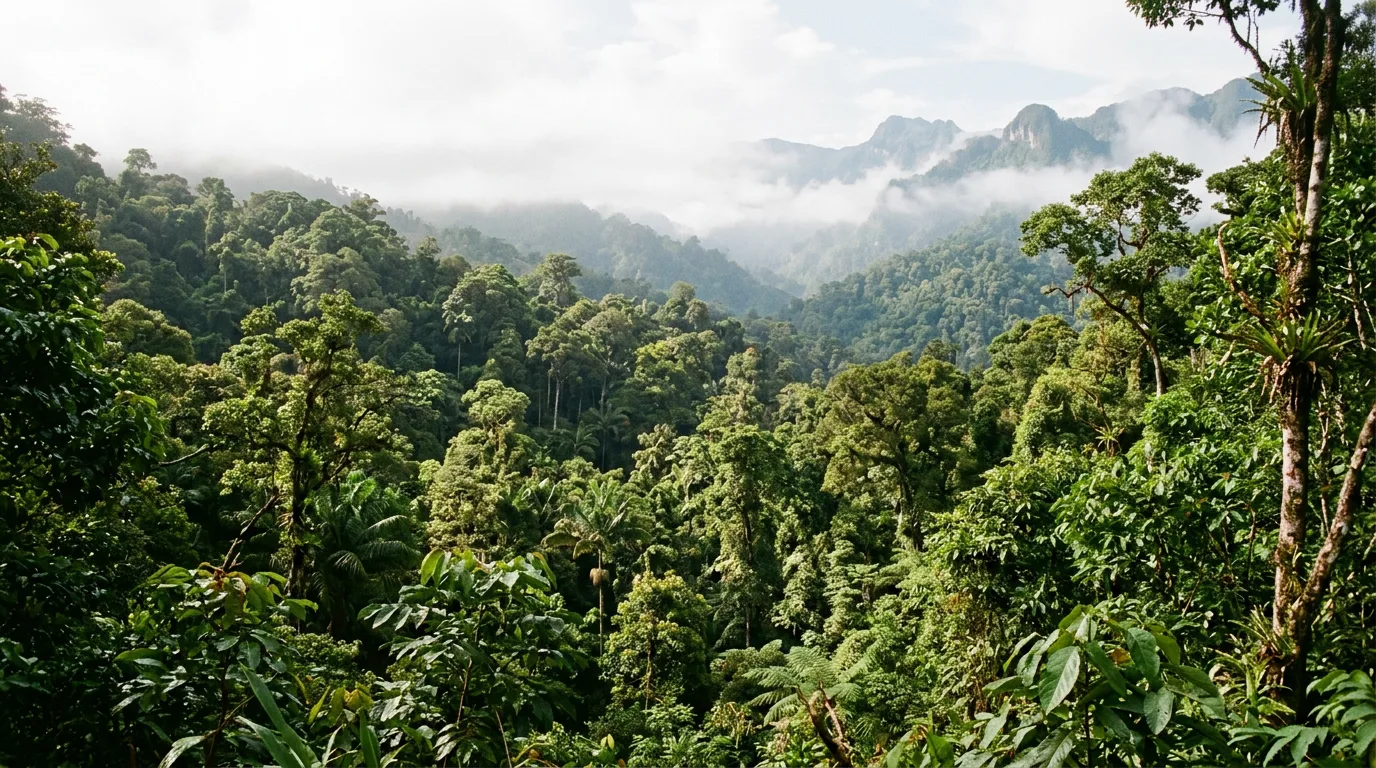
Introduction: Discovering the World’s Rarest Animals
Rare animals are not just unusual to look at, they are often hanging on in tiny pockets of the wild, in one stretch of ocean, one island forest, or one strip of grassland you could miss on a map. In this guide, you’ll move across the world to meet species that are seldom seen, often critically endangered, and sometimes so restricted that a single habitat is their only home.
“Rare” and “endangered” are not the same thing, and that distinction matters. Some animals are rare because they live in a very small range or have naturally low numbers. Others are rare because people pushed them there. The IUCN Red List sorts extinction risk into levels, from Vulnerable to Endangered to Critically Endangered, and that scale gives you a better way to look at each species than vague labels like “almost gone” or “one of the rarest on the planet.”
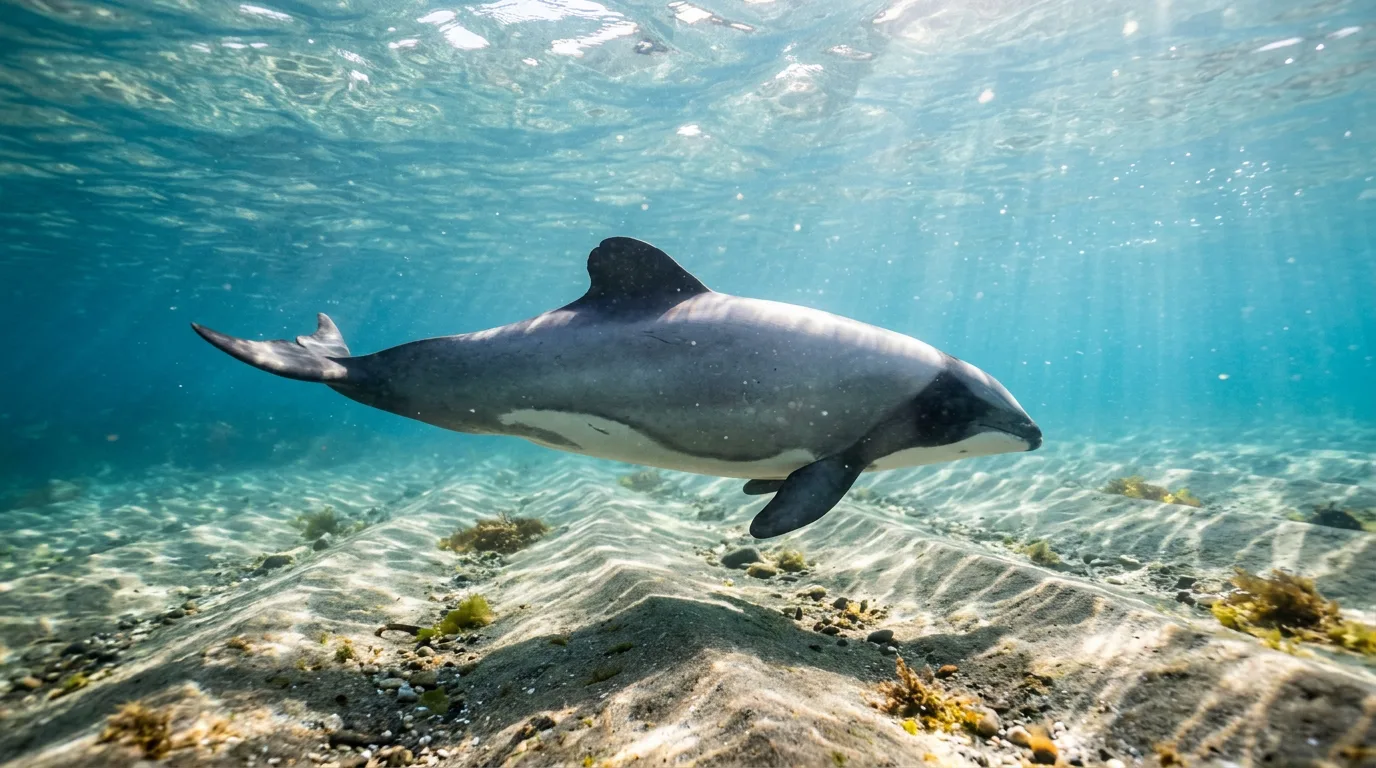
You’ll see both land and sea animals here: antelope from dry regions, birds with bizarre feeding habits, and small marine species found only in narrow coastal waters. One of them is the Māui dolphin, a little sea dolphin found off New Zealand’s North Island, among the rarest marine mammals in the world. Others live in mountains, wetlands, and forests scattered across nature’s remaining strongholds.
A list like this can slip into spectacle. Better to treat it as a map of pressure points. When a species becomes hard to find, hard to photograph, or known mostly from a single image, that usually signals something broken in the ecosystem around it.
As you read, you’ll get two things for every animal: where it’s found and how serious its conservation status is. You’ll also get a clearer sense of what everyday support actually helps endangered species, and what only feels helpful.
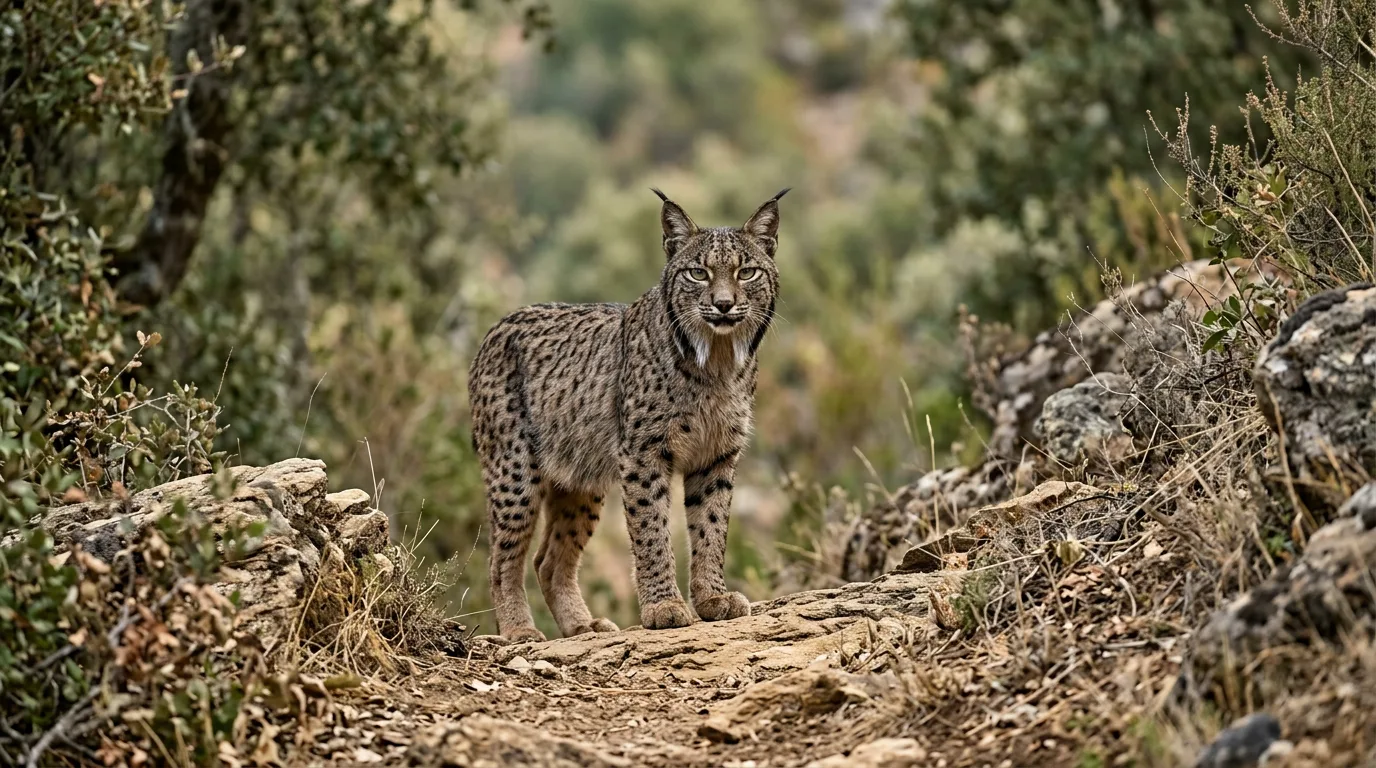
What Makes an Animal Species Rare or Endangered?
A rare animal isn’t always an endangered one. “Rare” can simply mean a species is seldom seen, lives in a small range, or survives in low numbers across the wild. “Endangered” is stricter: it points to extinction risk.
The clearest system comes from the IUCN Red List, which sorts species by how close they are to disappearing from nature. The levels you’ll see most in this guide are Vulnerable, Endangered, and Critically Endangered. That last label is the one to stop at. A critically endangered animal faces an extremely high risk of extinction in the immediate future, often because its home has shrunk to a tiny area, its population has crashed, or both.
That distinction matters because an animal can be among the rarest in the world without fitting the same story as another rare species. The Māui dolphin is found in a narrow strip of ocean off New Zealand. The saola, a forest antelope so elusive that most people have never seen one in the wild, survives in scattered pockets of the Annamite Mountains. Some birds are rare because they breed on one island. Some sea animals are hard to find because they live deep, migrate widely, or now persist in only a fragment of their former range.
Here’s a simple way to read the status labels in this hub:
| IUCN level | What you should take from it |
|---|---|
| Vulnerable | Facing a high risk of extinction if pressure continues |
| Endangered | At very high risk, with steeper decline or smaller numbers |
| Critically Endangered | On the edge, often with very limited habitat or extremely low population |
More than 47,000 species have already been assessed as under threat of extinction. So when you look at an image of one of these animals, don’t treat rarity as trivia. Treat it as a clue: something in that part of the planet, forest, wetland, or ocean is under strain.
If you want your support to count, back habitat protection first. Memberships, vetted conservation groups, and policies that keep wild places intact do more than one-off novelty purchases built around endangered animals.
The Rarest Mammals and Land Species
If you want a short list of rare animals that show how uneven extinction risk can look on land, start with three mammals: the golden langur, the hirola, and the Bawean warty pig. They live in very different corners of the world, but each species is tied to a small home range, which is usually where trouble begins.
| Animal | Where it is found | Habitat | IUCN risk level | Why it stands out |
|---|---|---|---|---|
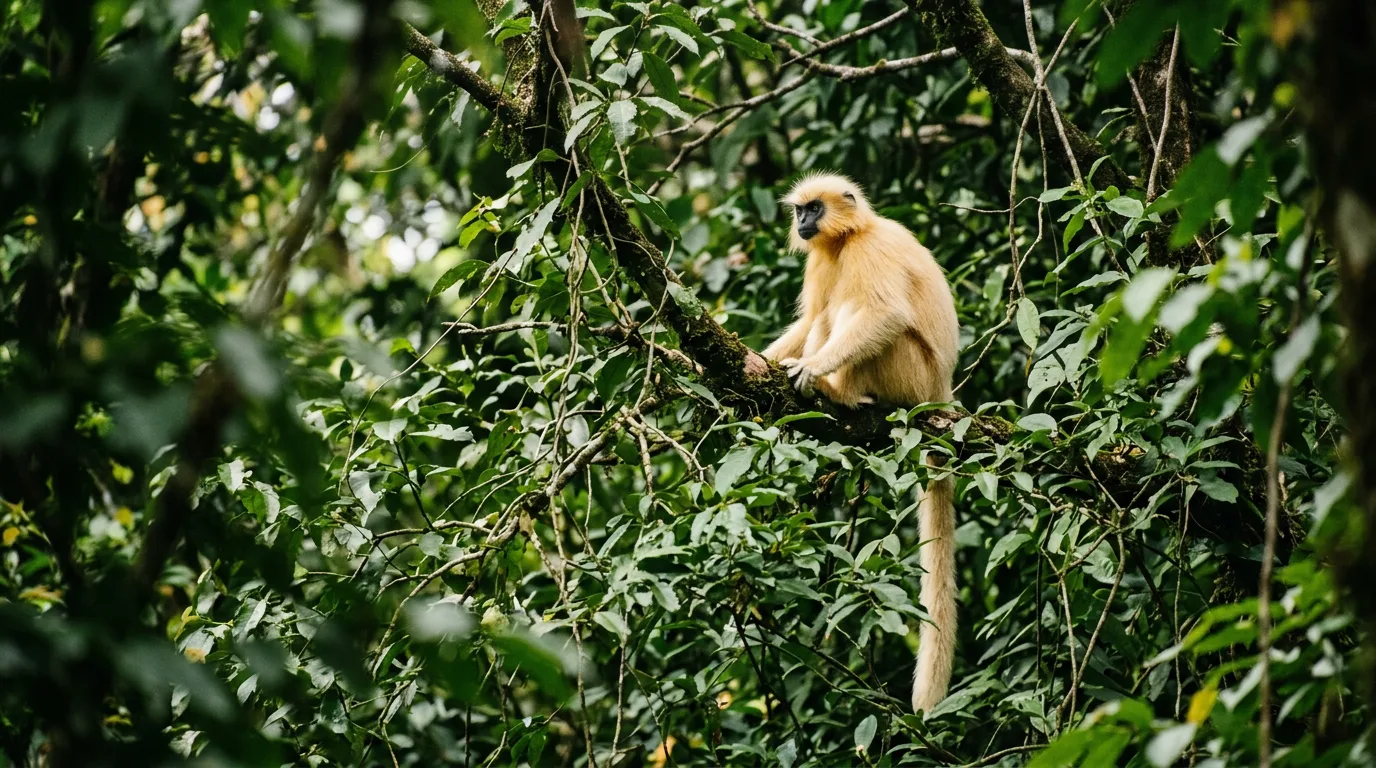
| Golden langur (Trachypithecus geei) | India and Bhutan | Forest canopies near riverine and evergreen forests | Endangered | A striking primate with pale gold fur and a narrow range |
| Hirola (Beatragus hunteri) | Kenya and a tiny remnant range near the Somalia border | Arid grassland and open bushland | Critically Endangered | Often called one of the rarest antelope species on the planet |
| Bawean warty pig (Sus blouchi) | Bawean Island, Indonesia | Forest and scrub on a single island | Critically Endangered | A wild pig found nowhere else on Earth |
The golden langur has the kind of look that makes people stop at an image and stare for a second. Its coat can appear cream, buff, or softly golden in the light, and adults spend much of their lives in trees. That beauty hides a hard fact: this is an endangered primate with a narrow distribution, and forest break-up cuts populations into smaller groups. Once canopy routes disappear, movement gets harder, breeding pools shrink, and a species can remain present on a map while fading in real life.
The hirola is less widely known than rhinos or big cats, but it belongs in any serious guide to the world’s rarest land animals. This antelope is critically endangered, and that label matters. In IUCN terms, it sits one step closer to extinction than endangered species do. You can see the difference in plain language:
| Risk level | What you should assume |
|---|---|
| Endangered | The species faces a very high risk of extinction in the wild |
| Critically Endangered | The species faces an extremely high risk of extinction in the wild and may be close to disappearing altogether |
Hirola once ranged more broadly across East Africa. Now its remaining wild population is confined to a much smaller area, which leaves it exposed to drought, disease, habitat pressure, and plain bad luck. A species spread across a continent can absorb local losses. A species boxed into one region cannot.
Then there is the Bawean warty pig, a small, little-known mammal that proves rarity does not always come with fame. It is found only on Bawean Island in Indonesia. Island species often look secure right up until they don’t, because one place is both their entire world and their single point of failure. Forest loss, hunting pressure, and human expansion don’t need to be enormous to do damage when the total range is so tight.
You’ll notice a pattern here. Rare animals on land are often not the largest, loudest, or most seen. They can be monkeys in isolated forest patches, an antelope in dry grassland, or a pig on one island few people outside Indonesia could place on a map. Nature does not distribute risk fairly.
There is a fair counterargument here: flagship mammals can pull attention away from less charismatic species, especially small reptiles, amphibians, and invertebrates that are vanishing faster and with less notice. That criticism lands. Conservation money does get skewed by what photographs well. Still, mammals remain useful entry points because people care about them quickly, and that attention can be redirected toward whole habitats rather than one appealing face.
If you want your help to matter, use a simple rule. Support groups that protect the place, not just the animal. For the golden langur, that means forest corridors. For the hirola, grassland protection and local coexistence work. For the Bawean warty pig, it means guarding the remaining island habitat before “rare” turns into “gone.”
Rare Ocean and Sea Creatures
The ocean holds some of the rarest animals on the planet, and the most urgent one is the vaquita. Fewer than a few dozen are thought to remain in the wild in the northern Gulf of California, which puts this small porpoise in the Critically Endangered bracket, the IUCN level just below extinct in the wild.
Vaquitas are rarely seen. That isn’t because they live in the deep sea or range across the world. Their home is unusually tight, a shallow patch of the northern Gulf, and that narrow range is exactly why they’re in such trouble. The main threat is gillnet entanglement. If those nets stay in the water, the species keeps sliding toward disappearance.
A lot of rare marine life is harder to picture because it lives well below the surface. Some of the strangest deep-sea animals look almost invented. The Japanese spider crab can stretch up to 12 feet from claw to claw, the largest leg span of any crustacean. Deep reefs around Hawaii also hold the masked angelfish, Genicanthus personatus, a fish found only in remote Hawaiian waters. Black corals in protected U.S. waters can live for thousands of years, older than the pyramids, which gives you a sense of how slowly some ocean systems recover once damaged.
Here’s a cleaner way to read extinction risk in this section:
| Animal | Where it’s found | IUCN risk level | Why it stands out |
|---|---|---|---|
| Vaquita | Northern Gulf of California | Critically Endangered | The rarest marine mammal, with an extremely small remaining range |
| Masked angelfish | Deep reefs of Hawaii | Rare/localized | Seen in remote reef habitat and found nowhere else on Earth |
| Japanese spider crab | Waters off Japan | Not among the rarest, but unusual | Enormous leg span and a deep-sea look unlike almost any other crab |
| Deep-sea black coral | Protected ocean habitats including U.S. sanctuaries | Varies by species | Can live for millennia, so damage lasts a very long time |
If you want to help critically endangered sea species, skip symbolic gestures and pick actions that reduce pressure on habitat. Support groups working on gillnet removal in the Gulf of California. Choose seafood certified to avoid destructive fishing methods. Back marine protected areas that keep rare ocean animals in intact habitat, not scattered fragments. And if you share an image of a rarest sea animal online, attach the place and threat, not just the spectacle. That gives people something useful to remember.
One caution, though. “Rare” in the ocean doesn’t always mean “about to vanish.” Some species are rarely seen because humans barely visit their part of nature. Others are genuinely collapsing. For marine animals, the question is not just how strange they look. It’s how small their range is, how fast they reproduce, and whether nets, warming seas, or habitat damage are closing in faster than they can recover.
Unique Birds, Reptiles, and Amphibians
If you want the rare animals list to get more interesting, leave the famous mammals for a minute. Some of the strangest species in nature are birds, reptiles, and amphibians with tiny ranges, collapsing habitat, and conservation status that is already at the edge.
A useful rule here: “rare” and “critically endangered” are not the same label. The IUCN scale runs from Vulnerable to Endangered to Critically Endangered, with Critically Endangered marking a species facing an extremely high risk of extinction in the wild. That matters because a bird can be rarely seen across the world and still not be in the most urgent category, while a small river turtle or stream frog can be one bad season away from disaster.
| Animal | Group | Where it is found | IUCN risk level | Why it stands out |
|---|---|---|---|---|
| Black-and-chestnut eagle (Spizaetus isidori) | Bird | Andean forests across Colombia to northern Argentina | Endangered | A rare forest raptor with dark plumage, a chestnut underside, and very low density even where habitat remains |
| Northern river terrapin (Batagur baska) | Reptile | Rivers and estuaries in South and Southeast Asia | Critically Endangered | One of the rarest freshwater turtles in the world, hit by egg collection, hunting, and river habitat loss |
| El Rincon stream frog (Pleurodema somuncurense) | Amphibian | A tiny area of Patagonia in Argentina | Critically Endangered | Found only in warm spring-fed streams, making its entire home unusually small and fragile |
The black-and-chestnut eagle is the kind of bird many people never hear about, even if they’ve looked through endless image galleries of rarest animals. It lives in Andean cloud forest and hunts in steep, wooded country, which already makes it hard to see in the wild. Then the bigger problem arrives: those forests are cut into pieces. For a large hunting bird, fragmented habitat is not a minor inconvenience. It breaks up nesting areas, hunting range, and breeding pairs. So this eagle is rare in two ways at once, naturally hard to spot and now under real pressure. Its IUCN status is Endangered, not Critically Endangered, and that distinction is worth keeping.
The northern river terrapin sits in a harsher category. Critically Endangered. You can think of it as a species with almost no margin left. This turtle once ranged more broadly across river systems and estuaries, but nesting beaches, eggs, and adults have all been heavily exploited. Add mangrove damage and disturbed riverbanks, and recovery gets harder fast. Among rare reptiles, this is one of the clearest cases where protection has to be practical: guard nesting sites, protect adults, and keep rivers connected to the coastal habitat they use.
Then there is the El Rincon stream frog, a small amphibian with almost absurdly little room to survive. It is found in the Valcheta stream system on the Somuncura Plateau in Rio Negro Province, Argentina. Not a region. Not a broad wetland complex. One stream network. That narrow home is why amphibians so often appear on critically endangered lists. A frog tied to a single water source does not get much buffer against pollution, water diversion, introduced species, or heat.
You may also run into odd bird facts while exploring rare animals, including the question, “Did you say birds that can eat metal?” Sort of. Bearded vultures are known for swallowing bones and dropping them onto rocks to break them, and they can handle material that would seem impossible because of extremely strong stomach acid. That does not mean birds live on metal. It does explain why unusual feeding stories spread so easily once an animal looks strange enough.
If you want to help these species instead of just scrolling past another image, do the boring things that work. Support groups protecting Andean forest corridors. Back river and wetland restoration for turtle habitat. Avoid releasing pets or bait animals into freshwater systems. For amphibians, even small habitat changes matter, so funding spring and stream protection beats symbolic adoption campaigns every time.
And one uncomfortable truth belongs here: the rarest species on the planet are often not the ones with the most spectacular look. They’re the ones with the smallest map. When you see that a bird, turtle, or frog is found in one forest band, one estuary, or one stream, treat that as the warning sign.
Why Rare Animals Need Protection and How Conservation Helps
Rare animals usually are not disappearing for one reason. They’re pushed from several sides at once: habitat loss, hunting, invasive species, pollution, warming seas, and broken migration routes across land and ocean. When a species has a tiny home range, even a road, a dam, a fishing net, or one season of failed breeding can hit harder than people expect.
The quickest way to read the danger is the IUCN scale. Vulnerable means a species faces a high risk of extinction in the wild. Endangered is worse. Critically endangered is the last stop before Extinct in the Wild or Extinct. If you’ve seen a rarest-of-the-rare animal in an image gallery, that label matters more than the animal’s look. It tells you how narrow the margin has become.
Conservation works best when it is blunt and specific:
| Threat in nature | What conservation teams do | Why it helps |
|---|---|---|
| Forest clearing | Protect habitat corridors and buy time against fragmentation | Small populations need connected territory to find mates and food |
| River and wetland damage | Restore flows, nesting banks, and marsh cover | Freshwater species collapse fast when breeding sites vanish |
| Bycatch and ocean pressure | Change fishing gear, restrict capture zones, monitor sea habitat | Rare sea animals survive when accidental deaths drop |
| Invasive predators and disease | Remove invasive species, quarantine outbreaks, breed insurance populations | Isolated island and stream species often cannot absorb new losses |
| Illegal killing and trade | Fund ranger patrols and local enforcement | Protection fails on paper if poaching stays profitable |
The larger picture is ugly: extinction rates are estimated to be up to 1,000 times higher than before human pressure reshaped the planet. That is not abstract. It shows up as fewer birds heard in one valley, one antelope no longer found across its old range, one small amphibian gone from a spring.
What should you do? Skip symbolic purchases. Back groups protecting habitat in the wild, not captive photo opportunities. Cut demand for wildlife products. Support restoration of forests, rivers, and coastal zones. If a species is critically endangered, land and water protection usually matter more than another shareable image.


